Manitoba Indigenous Leaders Denounce Province's Wildfire Plan, Citing Unresolved Community Concerns
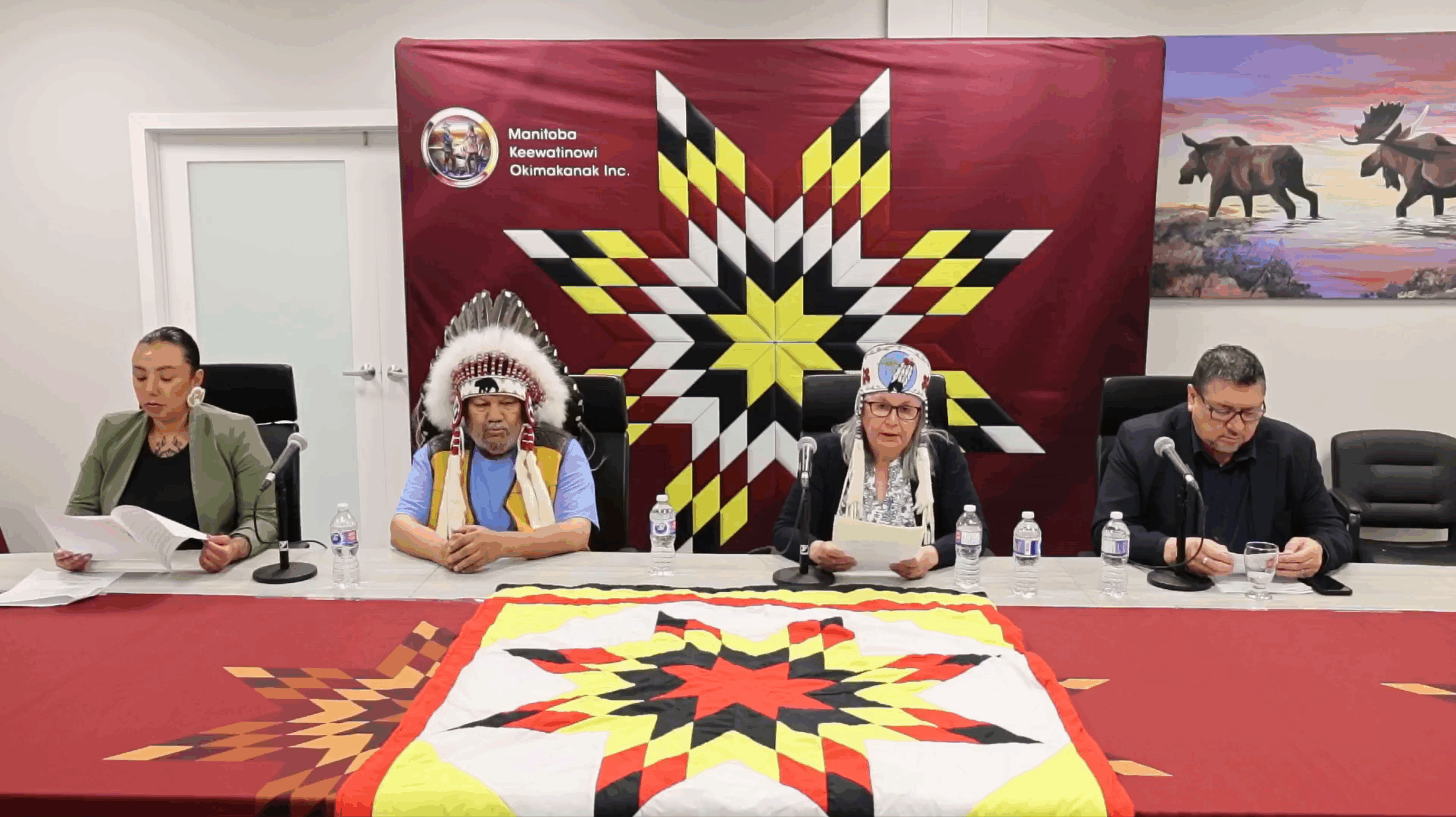
Manitoba Indigenous leaders have expressed strong disapproval of the province's recently released wildfire plan, citing unresolved issues that directly affect First Nations communities. The plan, an interim report following the devastating 2025 wildfire season, has been criticized for failing to address the major gaps exposed during the crisis, particularly in northern infrastructure, evacuation response, and decision-making processes.
The 2025 wildfire season was one of the worst in decades, highlighting significant shortcomings in the province's ability to respond effectively to the needs of First Nations communities. Thousands of First Nation residents were displaced, many for extended periods, facing challenges such as power outages and language barriers, with limited support provided for evacuation efforts. The impact of these failures went beyond mere displacement, affecting the mental health, cultural connections, and daily life of community members.
First Nation leaders are calling for direct involvement in emergency planning, emphasizing that they possess the solutions and knowledge necessary to meet the needs of their communities. The urgency of this call to action is underscored by the harrowing experiences of communities like the Mathias Colomb Cree Nation, which lost around 30 loved ones during the wildfires, with only a handful able to attend funerals due to the displacement and chaos.
The One Manitoba approach, touted by the province, has been criticized by leaders such as Pimicikamak Cree Nation Chief David Monias, who argues that it does not accurately reflect the realities faced by remote communities. These communities often struggle with infrastructure gaps and jurisdictional issues that can significantly delay response times during emergencies. Chief Monias likened the wildfire crisis to a systems test, one that unfortunately highlighted the failures of both provincial and Canadian systems in supporting remote and indigenous communities.
Concerns about evacuation conditions have also been raised, with reports of families being moved between hotels, a situation that Chief Monias described as unacceptable and indicative of a broader systemic failure. The imperative for change is clear, with Indigenous leaders pushing for a more inclusive and responsive approach to emergency planning, one that recognizes the critical role they must play in protecting their communities and preserving their way of life.
As the province moves forward, it will be essential to address these concerns and work collaboratively with First Nations leaders to develop a wildfire plan that truly meets the needs of all communities. This includes investing in northern infrastructure, enhancing evacuation response systems, and ensuring that decision-making processes are inclusive and respectful of Indigenous knowledge and leadership. Only through such a collaborative and respectful approach can the province hope to mitigate the impacts of future wildfires and build a safer, more equitable future for all Manitobans.
Summary Points
Manitoba Indigenous leaders criticize the province's wildfire plan for failing to address community concerns and gaps in response
The 2025 wildfire season exposed significant shortcomings in northern infrastructure and evacuation planning
First Nation leaders are calling for direct involvement in emergency planning to ensure their communities' needs are met
The One Manitoba approach has been criticized for not reflecting the realities of remote and Indigenous communities
Improvements in infrastructure, evacuation response, and inclusive decision-making are crucial for a more effective wildfire plan