Pentagon Partners with Top AI Companies to Revolutionize Military Operations
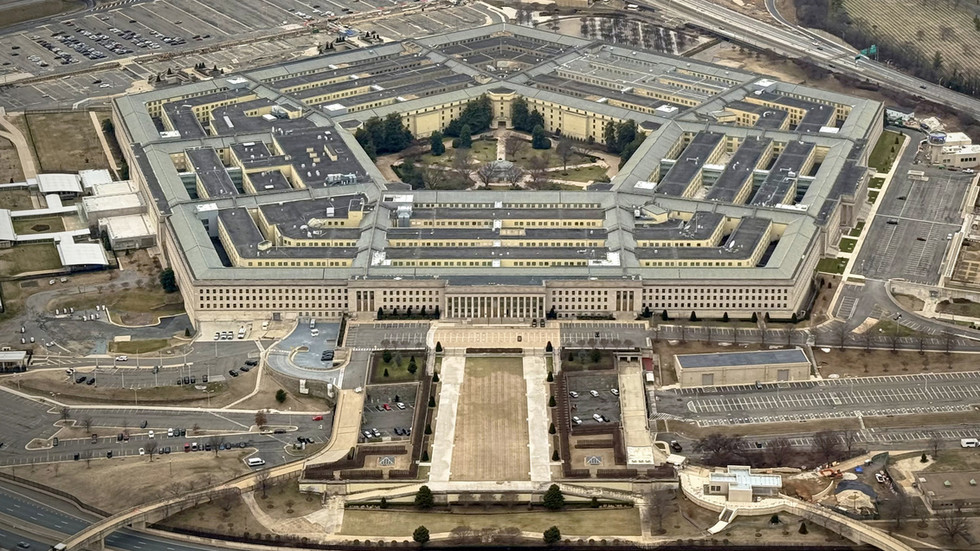
The US Department of War has announced significant partnerships with major artificial intelligence firms, including SpaceX, OpenAI, Google, NVIDIA, Reflection, Microsoft, Amazon Web Services, and Oracle. These agreements aim to integrate advanced AI capabilities into the agency's classified networks, marking a substantial leap forward in the application of artificial intelligence in military operations.
The Pentagon has been actively engaging with industry leaders since the start of the year, seeking to expand the use of AI in various military contexts and diversify its range of technology providers. Despite concerns among experts regarding the reliability of AI in adhering to the laws of war and potential invasions of civilian privacy, the Department of War is pushing forward with its AI integration plans. The goal is to harness AI's potential to enhance situational awareness, streamline data processing, and improve decision-making for military personnel in complex operational environments.
The integration of AI into the Department of War's Impact Level 6 and Impact Level 7 networks is expected to significantly bolster the military's capabilities. According to the Pentagon, this will enable the agency to process vast amounts of data more efficiently, leading to faster and more informed decision-making. The official AI platform, GenAI.mil, has already seen extensive use, with over 1.3 million personnel utilizing the platform in the last five months. This has resulted in tens of millions of prompts and the deployment of hundreds of thousands of agents, allowing for the acceleration of certain tasks from months to days.
In a separate development, the US Navy has awarded a $100 million contract to Domino Data Lab, a San Francisco-based AI company, to assist in detecting Iranian mines in the Strait of Hormuz. The contract underscores the Navy's reliance on AI to analyze data from multiple sensor types, thereby enhancing mine detection capabilities in underwater drones. This initiative reflects the Pentagon's broader strategy to leverage AI in addressing complex military challenges.
Notably, Anthropic, a company that had a disagreement with the Pentagon earlier this year over the safeguards for its technology, was excluded from these agreements. The company's refusal to loosen its safeguards led to the Department of War designating it a 'supply-chain risk,' a label typically reserved for entities deemed to pose a risk to national security. This development highlights the ongoing debate about the ethics of AI development and deployment, particularly in military contexts.
The implications of these partnerships are far-reaching, with potential applications in various military domains. As the use of AI in military operations continues to expand, it is crucial to address concerns regarding its reliability, accountability, and adherence to international law. The Pentagon's efforts to integrate AI into its operations underscore the rapid evolution of modern warfare, where technological advancements are increasingly determining the trajectory of military engagements.
In conclusion, the Pentagon's partnerships with top AI companies signify a significant shift in the military's approach to leveraging technology for strategic advantage. As these developments continue to unfold, it is essential to monitor the ethical, legal, and operational implications of AI integration in military contexts. The future of warfare is likely to be shaped by the interplay between technological innovation and the principles governing the use of force, making it imperative to navigate these complexities with caution and foresight.
Summary Points
The Pentagon has partnered with major AI companies to integrate AI into its classified networks.
The goal is to enhance situational awareness, streamline data processing, and improve decision-making for military personnel.
The US Navy has awarded a $100 million contract to Domino Data Lab to assist in detecting Iranian mines in the Strait of Hormuz.
Anthropic was excluded from the agreements due to a disagreement over safeguards for its technology.
The partnerships highlight the ongoing debate about the ethics of AI development and deployment in military contexts.
