Finding Sanctuary: Unpacking the Allure of BL and M/M Romance for Queer Women
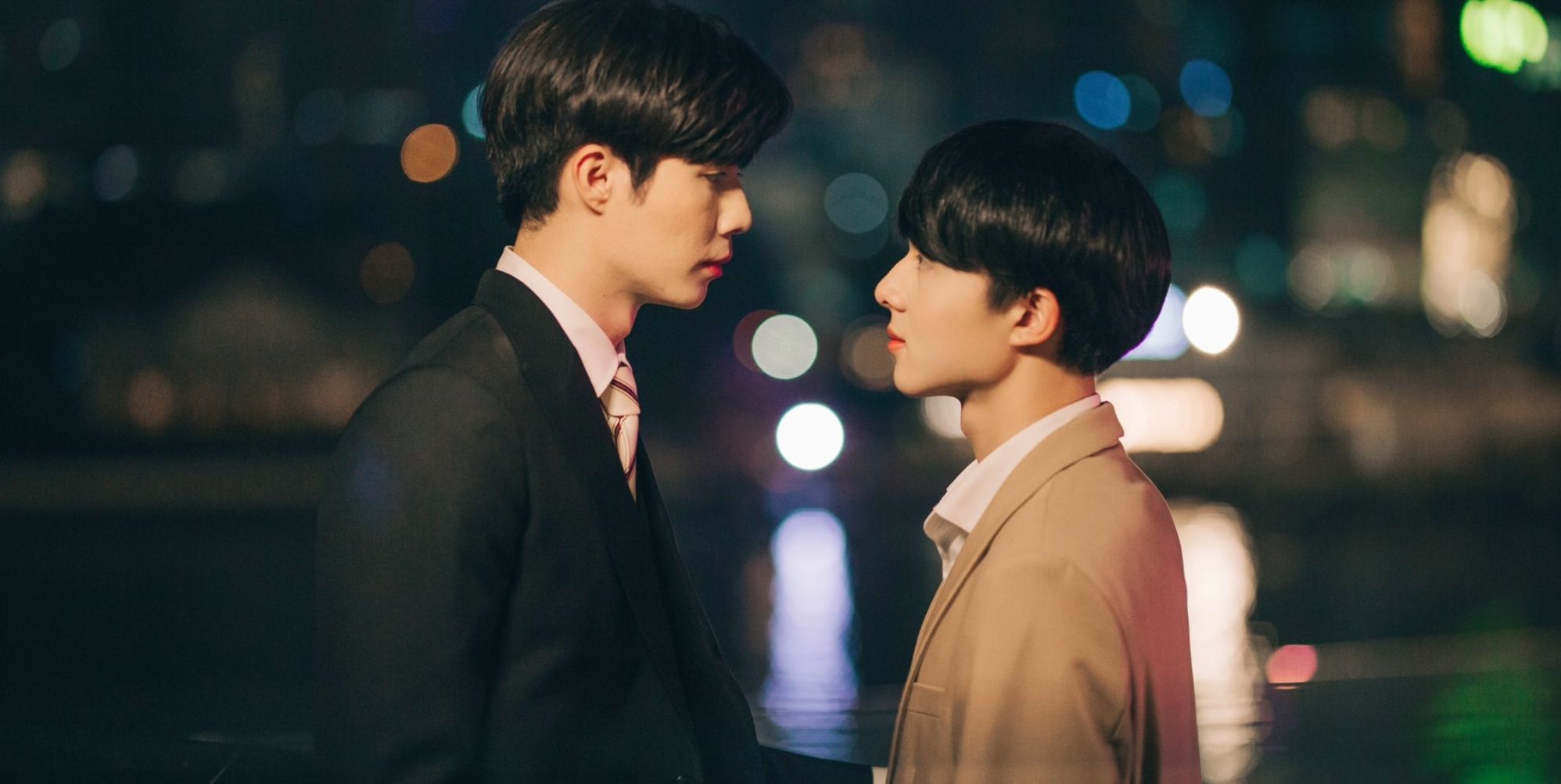
In recent years, there has been a growing discussion around the phenomenon of queer women finding solace and community in Boy's Love (BL) and Male/Male (M/M) romance fiction. On the surface, it may seem perplexing that women who identify as queer would be drawn to genres that, at first glance, appear to cater predominantly to a heterosexual female audience. However, as we delve deeper into the complexities of queer identity, community, and the search for representation, it becomes clearer why BL and M/M romance have become sanctuaries for many queer women.
One of the primary reasons queer women are attracted to BL and M/M romance is the lack of representation in mainstream media. Historically, the portrayal of queer relationships, especially female same-sex relationships, has been marginal and often stereotypical. In contrast, BL and M/M fiction offers a wide range of stories that focus on male same-sex relationships, providing queer women with a space where they can see reflections of their own desires and experiences, albeit indirectly.
Furthermore, the BL and M/M communities are known for their vibrant and inclusive fan cultures. These spaces allow fans to engage with the content, create their own stories (fanfiction), and connect with like-minded individuals. For queer women, these communities can serve as a haven where they can express themselves freely, without the fear of judgment or rejection. The anonymity of online platforms also enables them to explore their sexuality and gender identity in a safe and controlled environment.
The themes explored in BL and M/M fiction also resonate deeply with queer women. Many of these stories delve into complex issues such as identity, societal pressure, love, and acceptance, which are universal and transcend sexual orientation. The struggles and triumphs of the characters in these narratives provide queer women with a sense of validation and empathy, allowing them to connect with the stories on a profound level.
In addition, the creative freedom afforded by the BL and M/M genres has led to a proliferation of diverse narratives. From historical dramas to science fiction, these genres encompass a broad spectrum of themes and settings, catering to a wide range of tastes and preferences. This diversity not only attracts a broader audience but also encourages creators to push the boundaries of storytelling, exploring new ideas and perspectives that might not be viable in more mainstream genres.
It's also important to acknowledge the role of fandom in facilitating a sense of belonging among queer women. Fandoms around BL and M/M fiction often extend beyond the consumption of the content itself, fostering a culture of shared passion and creativity. Fans participate in discussions, create fan art, write fanfiction, and attend conventions, all of which contribute to a vibrant and dynamic community. For queer women, being part of these fandoms can provide a sense of identity and belonging, which is crucial for individuals who may feel marginalized or excluded from mainstream society.
In conclusion, the appeal of BL and M/M romance to queer women is multifaceted, reflecting a complex interplay of factors including the search for representation, community, and creative expression. As we continue to navigate the evolving landscape of queer identity and representation, it's essential to recognize the significance of these genres and the spaces they create for queer women and other marginalized groups.
Summary Points
Lack of representation in mainstream media drives queer women to BL and M/M romance.
Inclusive fan cultures in BL and M/M communities provide a safe space for queer women.
Universal themes in BL and M/M fiction resonate with queer women's experiences.
Diverse narratives within the BL and M/M genres cater to a broad range of tastes and preferences.
Fandom and community building around BL and M/M fiction foster a sense of belonging among queer women.