Thai Premier Defends Privy Council Attendance Amid Opposition Criticism
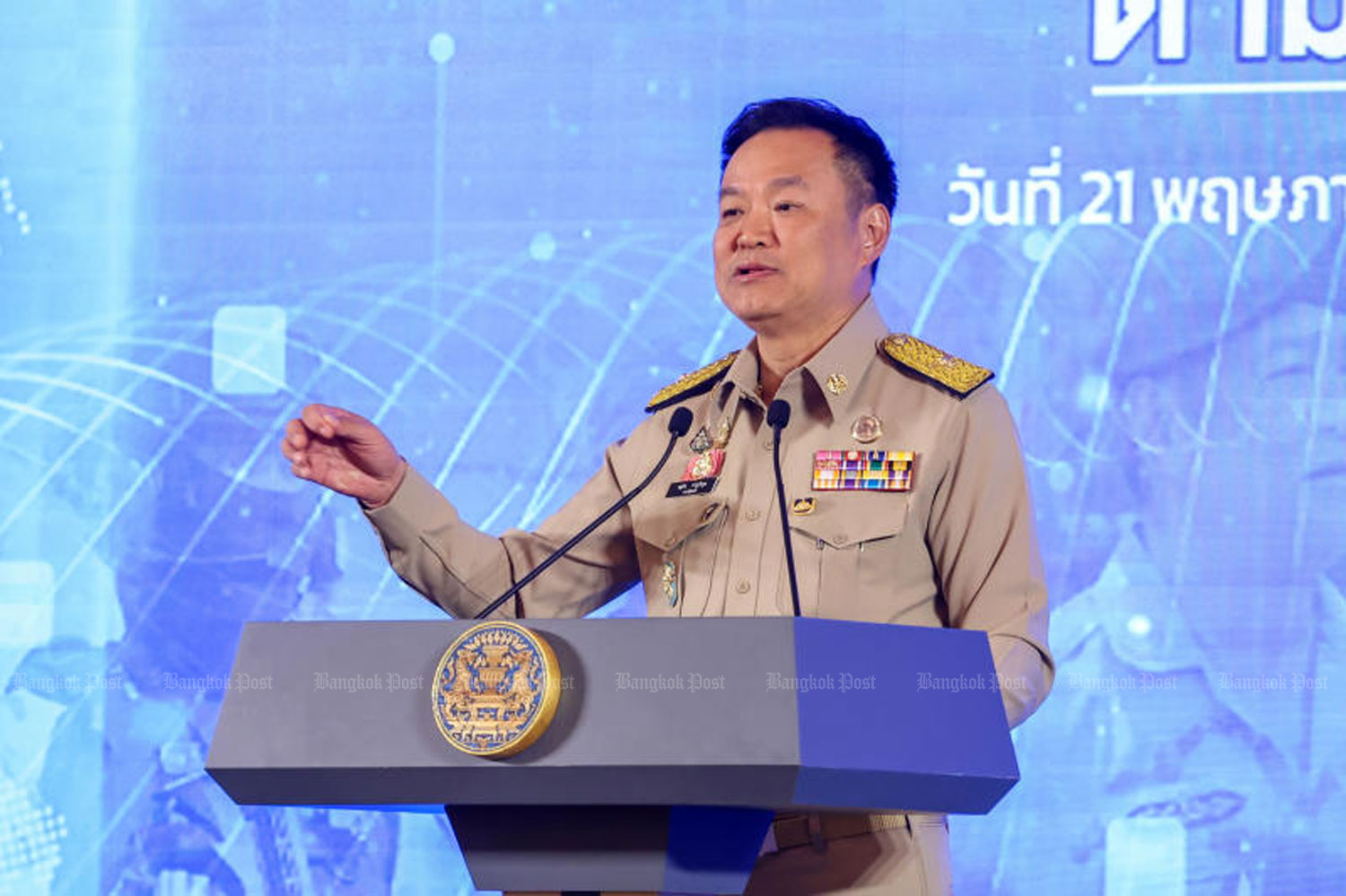
Thai Prime Minister Anutin Charnvirakul has come under fire from the opposition for allowing Privy Council members to attend a meeting with the Department of Disaster Prevention and Mitigation (DDPM). However, the premier has defended the move, stating that it is a normal practice that has been in place for nearly a decade.
The controversy began when members of the Privy Council, a advisory body to the monarch, attended a meeting with the DDPM on Tuesday. The main opposition People's Party (PP) criticized the move, with leader Natthaphong Ruengpanyawut stating that the prime minister should reconsider involving Privy Council members in public policy meetings.
Prime Minister Anutin Charnvirakul responded to the criticism on Thursday, stating that the arrangement was not an interference in government affairs. He explained that Privy Council members regularly receive updates from state agencies and that many of them were former senior civil servants with extensive administrative experience.
The prime minister emphasized that the meeting was not a decision-making meeting, but rather a presentation of operational results. He added that it was beneficial to present information and listen to the views of highly experienced individuals. Anutin also rejected accusations that the Privy Council's involvement was an attempt to bring the monarch into politics, stating that this was not the case.
The controversy highlights the complex and often sensitive relationship between the Thai government and the monarch. The Privy Council, which advises the monarch on matters of state, has been the subject of controversy in the past. Some have accused the council of overstepping its bounds and interfering in government affairs.
However, the prime minister's defense of the Privy Council's attendance at the meeting suggests that the government views the council's role as an important one. Anutin stated that the council's members bring a wealth of experience and knowledge to the table, and that their input is valuable in informing government policy.
The opposition's criticism of the Privy Council's involvement is likely motivated by a desire to limit the influence of the monarch and the Privy Council in government affairs. The PP has long been critical of the government's close ties to the palace, and has accused the government of attempting to use the monarch's influence to further its own interests.
Despite the criticism, it is unlikely that the government will reconsider its decision to involve the Privy Council in public policy meetings. The prime minister's defense of the council's attendance suggests that the government views the council's role as an important one, and that it will continue to seek the council's input on matters of state.
In conclusion, the controversy surrounding the Privy Council's attendance at the meeting with the DDPM highlights the complex and often sensitive relationship between the Thai government and the monarch. While the opposition has criticized the move, the prime minister has defended it, stating that the council's input is valuable in informing government policy.
Summary Points
The Thai prime minister has defended the attendance of Privy Council members at a meeting with the Department of Disaster Prevention and Mitigation (DDPM)
The opposition has criticized the move, stating that it is an attempt to bring the monarch into politics
The Privy Council has been the subject of controversy in the past, with some accusing it of overstepping its bounds and interfering in government affairs
The prime minister has emphasized that the council's members bring a wealth of experience and knowledge to the table, and that their input is valuable in informing government policy
The controversy highlights the complex and often sensitive relationship between the Thai government and the monarch
