Transforming Food Waste into Hope: Uruguay's Innovative Solution
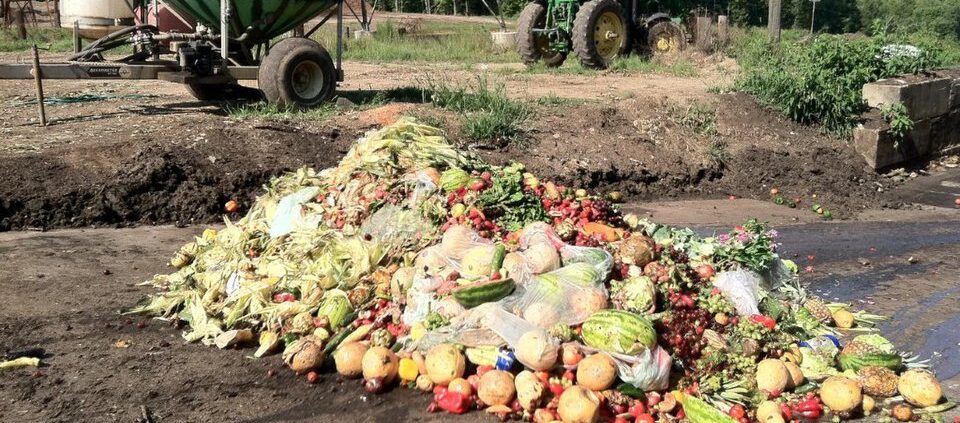
Food waste is a pressing issue affecting many countries, including Uruguay. The South American nation has made significant strides in addressing food security, yet many households still struggle to access sufficient food. According to the Ministry of Social Development, in 2025, 13.2% of households experienced moderate or severe food insecurity, with 18.9% of households with children under six facing similar challenges.
The Ministry of Environment reports that over 1 million tons of food are lost or wasted annually in Uruguay. This staggering figure highlights the need for effective solutions to reduce food waste and support vulnerable communities. Red de Alimentos Compartidos (Redalco), a pioneering organization, has been tackling this issue since 2016. By recovering fruits and vegetables from companies and farms, Redalco delivers nutritious food to those who need it most, while concurrently reducing food waste.
Redalco's mission is built on a simple yet effective premise: connecting surplus food with communities in need. The organization collects fruits and vegetables from the Unidad Agroalimentaria Metropolitana (UAM), Uruguay's wholesale food market, and from local farms. These recovered foods, often discarded due to aesthetic reasons or excess production, are then sorted, packed, and distributed to organizations supporting vulnerable communities, including children's centers, schools, and community kitchens.
This systematic approach to food rescue is crucial, as it ensures that food reaches those who need it most. Redalco's model demonstrates how a local, straightforward idea can provide substantial support for families. Since its inception, Redalco has expanded significantly, delivering over 1,550,225 kilograms of food in 2024 and collaborating with over 400 organizations. This has resulted in weekly food supplies for more than 400 organizations, aiding over 50,000 people.
Uruguay's efforts to combat food waste and support food security are also reflected in its legislation. Law No. 20.177 promotes donations of safe food for human consumption, aiming to reduce food waste and support vulnerable communities. The subsequent Decree No. 179/025 regulates this law, further solidifying the country's commitment to addressing food insecurity.
The impact of Redalco and Uruguay's legislative efforts is multifaceted. By reducing food waste, these initiatives not only support food security but also contribute to a more sustainable food system. As the world grapples with the challenges of food waste and insecurity, Uruguay's innovative solution serves as a powerful example of how collaboration, legislation, and community-driven initiatives can transform food waste into hope for those who need it most.
In conclusion, the story of Redalco and Uruguay's fight against food waste is one of hope and resilience. It highlights the importance of community-driven solutions, effective legislation, and collaboration in addressing complex issues like food insecurity. As we look to the future, it is essential that we continue to support and amplify initiatives like Redalco, working together to create a more sustainable and equitable food system for all.
Summary Points
Uruguay loses over 1 million tons of food annually, exacerbating food insecurity for vulnerable communities.
Redalco, a pioneering organization, collects and distributes surplus fruits and vegetables to those in need, reducing food waste and supporting food security.
Since its inception in 2016, Redalco has delivered over 1,550,225 kilograms of food, collaborating with over 400 organizations and aiding over 50,000 people.
Uruguay's Law No. 20.177 and Decree No. 179/025 promote food donations and regulate food waste, supporting national efforts to address food insecurity.
The success of Redalco and Uruguay's legislative efforts serves as a model for other countries, demonstrating the potential of community-driven solutions and effective legislation in transforming food waste into hope for those in need.