Liberia Secures $32 Million Investment Deal to Boost Manufacturing and Exports
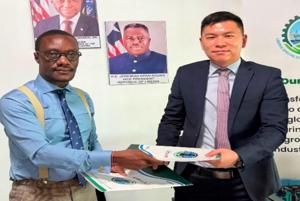
In a significant move to bolster its economy, Liberia has sealed a substantial investment deal worth $32 million with Softcare Liberia Limited. This landmark agreement is set to establish a Special Economic Zone (SEZ) dedicated to the manufacturing of hygiene products, poised to create a multitude of jobs and significantly enhance the country's export capabilities.
The deal, which spans 25 years, underscores Liberia's commitment to diversifying its economy and leveraging its strategic position to attract foreign investment. The establishment of an SEZ for hygiene products not only aligns with global demands for such essentials but also marks a crucial step in Liberia's journey towards industrialization and economic self-sufficiency.
LSEZA Executive Chairman Prince Wreh and Representing Softcare Liberia Limited, Bai Guangxue, were instrumental in brokering this agreement, which reflects the fruitful outcome of collaborative efforts between the Liberian government and private sector entities. This partnership is emblematic of the potential for public-private collaborations to drive economic growth and development in emerging economies.
The selection of Liberia as a hub for this manufacturing venture is strategically savvy, given its access to regional and international markets. Liberia's membership in the Economic Community of West African States (ECOWAS) and its proximity to major shipping routes further enhance its appeal as a manufacturing base for products destined for both African and global markets.
The impact of this investment is anticipated to be multifaceted. Firstly, it will contribute to the creation of employment opportunities, both directly within the manufacturing sector and indirectly through the bolstering of support services and industries. This is particularly significant for Liberia, which has been working to rebuild its economy following years of conflict and the devastating effects of the Ebola outbreak.
Moreover, the establishment of a manufacturing base for hygiene products in Liberia aligns with the country's health sector priorities. Enhancing local production capabilities for essential hygiene items can improve accessibility and affordability, contributing to better public health outcomes. This initiative also speaks to Liberia's broader development goals, including poverty reduction and the achievement of the United Nations' Sustainable Development Goals (SDGs).
The deal also highlights the growing trend of foreign investment in Africa, driven by the continent's vast natural resources, burgeoning consumer markets, and increasingly favorable business environments. As African economies continue to grow and integrate into the global economy, agreements like the one between Liberia and Softcare Liberia Limited are set to become more commonplace, driving economic transformation and sustainable development across the continent.
In conclusion, the $32 million investment deal between Liberia and Softcare Liberia Limited represents a significant milestone in the country's economic resurgence. It showcases the potential for collaborative economic development, underscores the importance of diversification and industrialization, and sets a precedent for future investments that can propel Liberia and the broader African region towards a more prosperous and sustainable future.
Summary Points
Liberia has secured a $32 million investment deal with Softcare Liberia Limited to establish a Special Economic Zone for manufacturing hygiene products.
The 25-year agreement is expected to create jobs and boost exports in Liberia, contributing to the country's economic diversification and industrialization.
The deal reflects the Liberian government's efforts to attract foreign investment and promote economic growth through public-private partnerships.
The establishment of a manufacturing base in Liberia is strategically advantageous due to its access to regional and international markets, as well as its membership in ECOWAS.
The investment is anticipated to have a positive impact on Liberia's health sector by improving the accessibility and affordability of essential hygiene products.