BBC Faces Backlash Over Male Writer for Sarah Everard Series: A Debate on Representation and Sensitivity
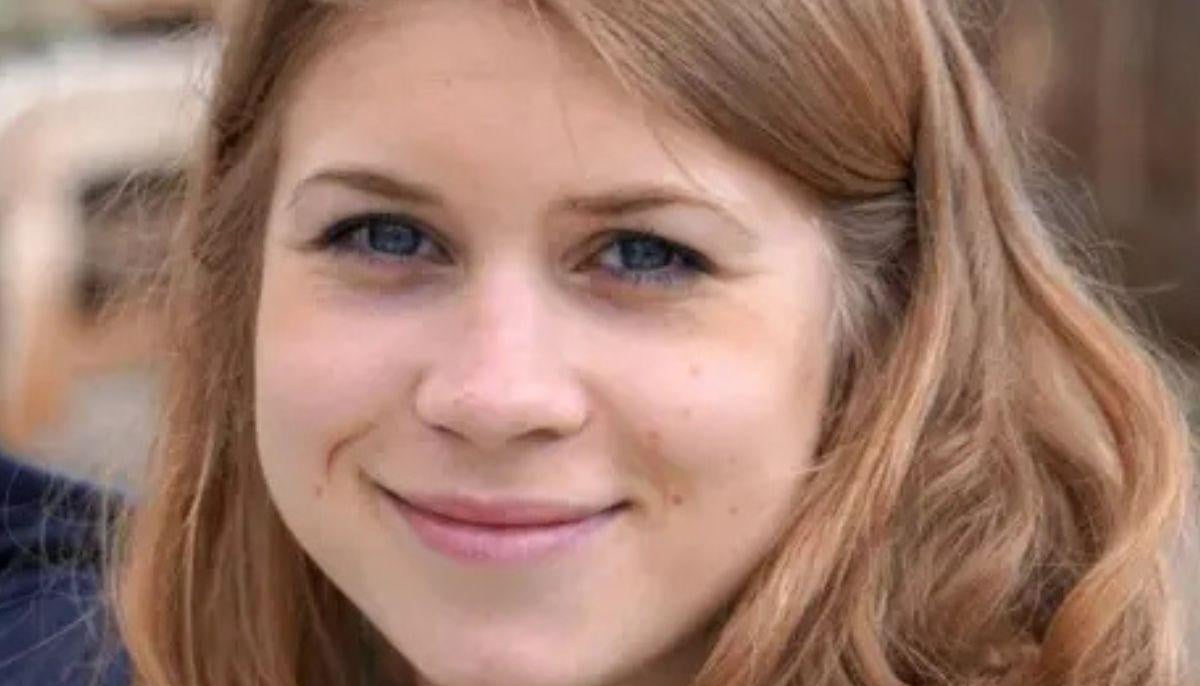
The British Broadcasting Corporation (BBC) has found itself at the center of a heated controversy following the announcement that a male writer, Jeff Pope, has been hired to work on a new drama series based on the tragic and highly publicized murder of Sarah Everard. Everard, a 33-year-old marketing executive, was kidnapped, raped, and killed in March 2021 by Wayne Couzens, a serving Metropolitan Police officer in London. The case sent shockwaves across the UK, prompting widespread outrage, public debates about women’s safety, and calls for reforms within the police force.
The reaction to the BBC’s decision to hire a male writer for this project has been met with strong criticism, particularly from a group of around 400 female screenwriters who have expressed their discontent in an open letter. The signatories argue that a story as sensitive and impactful as the Sarah Everard case requires a perspective that can authentically represent the experiences and vulnerabilities faced by women. They believe that women should have a more significant role in telling stories about violence against women, emphasizing the need for narratives that are informed by lived experiences and an in-depth understanding of the systemic issues involved.
The case of Sarah Everard has become a symbol of the broader struggle against misogyny and the failures within institutions designed to protect the public. It has ignited conversations about trust in law enforcement, the prevalence of violence against women, and the systemic barriers that prevent meaningful change. The open letter penned by the female screenwriters touches on these points, underscoring the importance of ensuring that narratives about such critical issues are crafted with care, sensitivity, and a deep understanding of the complexities involved.
Not everyone agrees with the criticism, however. Some argue that writing jobs should be awarded based on talent and the ability to tell a story effectively, rather than the gender of the writer. Jeff Pope, who has a notable background in writing true crime dramas, has defended his involvement in the project, stating that he approaches real-life stories with respect and a focus on the individuals affected. The BBC, in response to the backlash, has stated that it has engaged with the concerned writers and reiterates its commitment to supporting more women in the writing industry.
The controversy surrounding the Sarah Everard series highlights a larger issue within the entertainment and media industries regarding representation, diversity, and the importance of lived experience in storytelling. It prompts questions about who should tell certain stories and how the selection of writers can influence the narrative’s authenticity and impact. For many, the decision-making process behind such projects should prioritize the voices and perspectives of those directly affected by the issues being portrayed, in this case, women and victims of violence.
The BBC, known for its commitment to quality programming and its role in fostering talent within the UK, faces a delicate balancing act. On one hand, it must address the concerns of its audience and the creative community regarding the need for diverse voices and perspectives. On the other, it has to uphold its mandate to produce content that is of the highest standard, engaging, and thought-provoking. The resolution to this controversy will likely set a precedent for how similar projects are approached in the future, emphasizing either the importance of matching writers with projects based on their personal connection to the subject matter or the value of artistic freedom and talent above all else.
Summary Points
The BBC has hired male writer Jeff Pope for a series about the murder of Sarah Everard, prompting criticism from female screenwriters.
The critics argue that stories about violence against women should be written by women to ensure authenticity and sensitivity.
The case of Sarah Everard has become a symbol of the fight against misogyny and the need for reforms within institutions.
Jeff Pope has defended his involvement, stating he approaches real-life stories with care and respect.
The BBC has reiterated its commitment to supporting more women writers in the industry.