Cavaliers' Coach Kenny Atkinson Defends Unconventional Timeout Strategy in Game 1 Loss
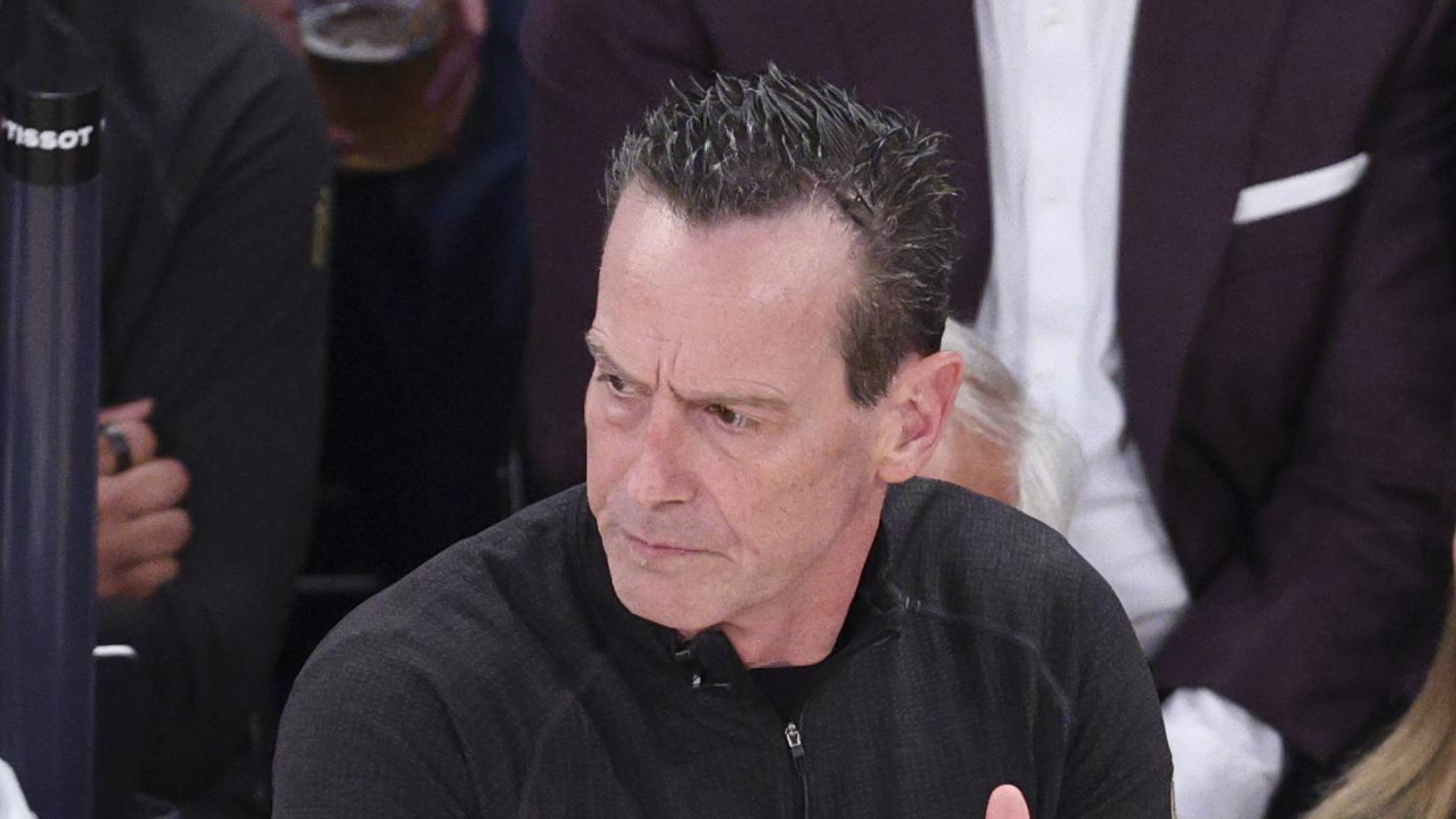
The Cleveland Cavaliers' highly anticipated Eastern Conference Finals matchup against the New York Knicks got off to a disastrous start, with the team blowing a 22-point lead in Game 1. One of the most puzzling aspects of the collapse was Cavaliers head coach Kenny Atkinson's decision to hold onto his timeouts despite the Knicks' rapid comeback. Atkinson's strategy has raised eyebrows, and he has since defended his approach, citing a desire to have multiple timeouts available in the event of a close finish.
The Cavaliers had four timeouts remaining with five minutes left in regulation, during which time the Knicks, led by All-Star guard Jalen Brunson, embarked on an 18-1 run. It wasn't until the Knicks had cut the lead to five points that Atkinson finally called a timeout. By then, the damage had already been done, with Brunson having consistently exploited defensive mismatches involving James Harden. The 36-year-old Harden struggled to contain Brunson, who repeatedly got the better of him in difficult defensive switches.
Atkinson's explanation for his timeout strategy, which has been met with skepticism by fans and analysts alike, centers around the idea of preserving timeouts for the end of the game. 'Yeah, I like to hold my timeouts. I didn't want to have one timeout at the end of the game. One or two-point game, I try to hold them,' he said in the postgame press conference. While his logic might hold in certain situations, the circumstances of Game 1, with the Knicks surging back into contention, have led many to question whether Atkinson's caution was misplaced.
The context of the Eastern Conference Finals and the history between the Cavaliers and Knicks adds another layer to Atkinson's decision-making. The Cavaliers, seeking to establish themselves as a dominant force in the NBA, were expected to come out strong against the Knicks. However, the team's inability to adapt and respond to the Knicks' adjustments, particularly on defense, has raised concerns about their resilience and strategic depth. As the series progresses, Atkinson will face increased scrutiny over his tactics, particularly if the Cavaliers fail to recover from their Game 1 setback.
Looking ahead, the Cavaliers must regroup and reassess their strategy, not just in terms of timeout management but also in addressing the defensive vulnerabilities that the Knicks so effectively exploited. The series is far from over, and the Cavaliers have the talent and potential to bounce back. Nevertheless, the first game has provided a stark reminder of the importance of adaptability and decisive decision-making in high-pressure playoff situations. As the stakes continue to rise, Atkinson's leadership and the Cavaliers' overall performance will be under the microscope, with the team's ability to learn from its mistakes and adjust on the fly potentially proving pivotal in determining the outcome of the series.
Summary Points
Cavaliers head coach Kenny Atkinson has defended his decision to hold onto timeouts during the team's Game 1 loss to the Knicks
The Cavaliers blew a 22-point lead, with the Knicks embarking on an 18-1 run before Atkinson called a timeout
Atkinson's strategy is based on preserving timeouts for the end of the game, but many have questioned whether this approach was appropriate given the circumstances
The Cavaliers' defensive struggles, particularly in containing Jalen Brunson, were a key factor in the team's collapse
The series is expected to be highly competitive, with the Cavaliers needing to regroup and reassess their strategy to bounce back from the Game 1 loss
