Malaria Remains a Persistent Threat in Nepal Despite Century-Long Fight
Nepal has marked a significant milestone in its battle against malaria, observing 100 years of sustained efforts to combat the disease. However, despite this lengthy campaign, malaria remains far from eradicated within the country's borders. According to the Malaria Strategic Plan 2014–2025, Nepal had aimed to become malaria-free by 2025, an ambitious goal that now seems increasingly difficult to achieve due to the continued influx of malaria cases, particularly from neighboring India.
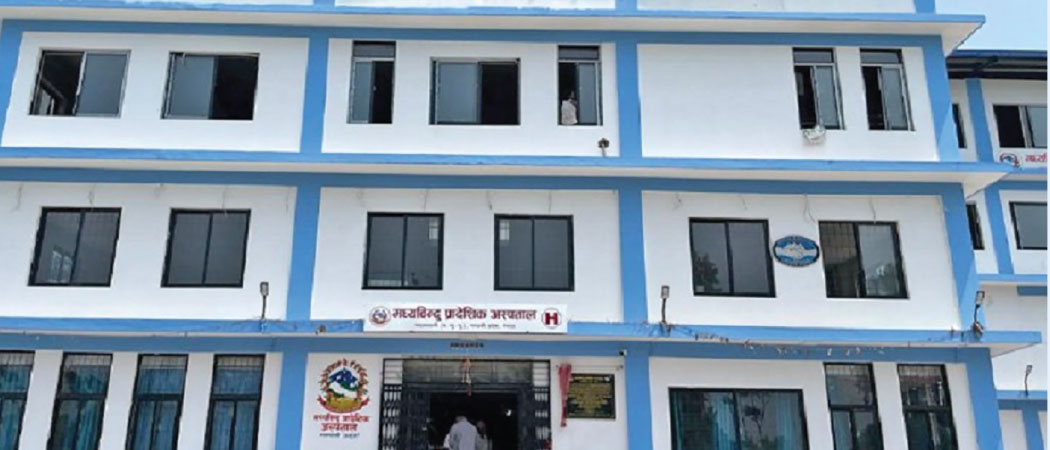
The situation on the ground reflects the challenges Nepal faces in its malaria elimination efforts. In Nawalpur, for instance, while there has been a slight decrease in malaria cases compared to the previous fiscal year, the disease has not been eliminated. Data from the Provincial Public Health Office indicates that in the fiscal year 2020/21, three cases were reported, whereas in the first nine months of the current fiscal year, seven cases have been detected. This includes four cases in Binayi Triveni Rural Municipality, Ward Nos. 2 and 5, one in Gaindakot-6, one in Hupsekot Rural Municipality-4, and one case involving a person who had arrived from outside the district.
Information from health officials reveals that all identified malaria patients were male, and importantly, all cases were classified as imported, primarily from India and other countries. This trend is consistent with the broader pattern observed in Nepal, where over 95% of malaria infections reported in recent years have been imported. The open border with India poses a significant risk to Nepal’s malaria elimination efforts, as it allows for the free movement of people who may be carriers of the disease.
Malaria is a communicable disease transmitted through the bite of an infected female Anopheles mosquito. Among the five types of malaria affecting humans, Plasmodium falciparum stands out as the most severe and potentially fatal if not treated promptly. Common symptoms of malaria include recurring fever, sweating, headache, fatigue, chills, nausea, abdominal pain, dizziness, muscle and joint pain, and vomiting. Despite these recognizable symptoms, there remains a notable lack of regular medical check-ups among the population, which can hinder early detection and treatment.
Preventive measures are critical in the fight against malaria. Recommendations from health authorities include filling stagnant water pits around homes to prevent mosquito breeding, using mosquito nets, applying mosquito repellents or electric devices, and wearing protective, long-sleeved clothing. These simple yet effective measures can significantly reduce the risk of malaria transmission.
As Nepal continues its century-long battle against malaria, it is clear that achieving the goal of becoming malaria-free by 2025 will require more than just domestic efforts. International cooperation, particularly with neighboring countries like India, will be essential in addressing the issue of imported malaria cases. Furthermore, enhancing public awareness and education on the symptoms, transmission, and prevention of malaria can play a crucial role in the success of Nepal’s malaria elimination strategy.
In conclusion, while Nepal has made strides in its fight against malaria, the disease remains a persistent threat. The challenge now is to intensify efforts, both domestically and through international collaboration, to prevent the spread of malaria and ultimately achieve the long-sought goal of a malaria-free Nepal.
Summary Points
Nepal has been fighting malaria for 100 years but has not yet achieved its goal of becoming malaria-free.
The majority of malaria cases in Nepal are imported, primarily from India, due to the open border.
Preventive measures such as eliminating stagnant water, using mosquito nets, and applying repellents are crucial in reducing malaria transmission.
Public awareness and education are key components of Nepal’s malaria elimination strategy.
International cooperation, especially with India, is necessary to address the issue of imported malaria cases and achieve the goal of a malaria-free Nepal.